In this guide · 5 practical sections
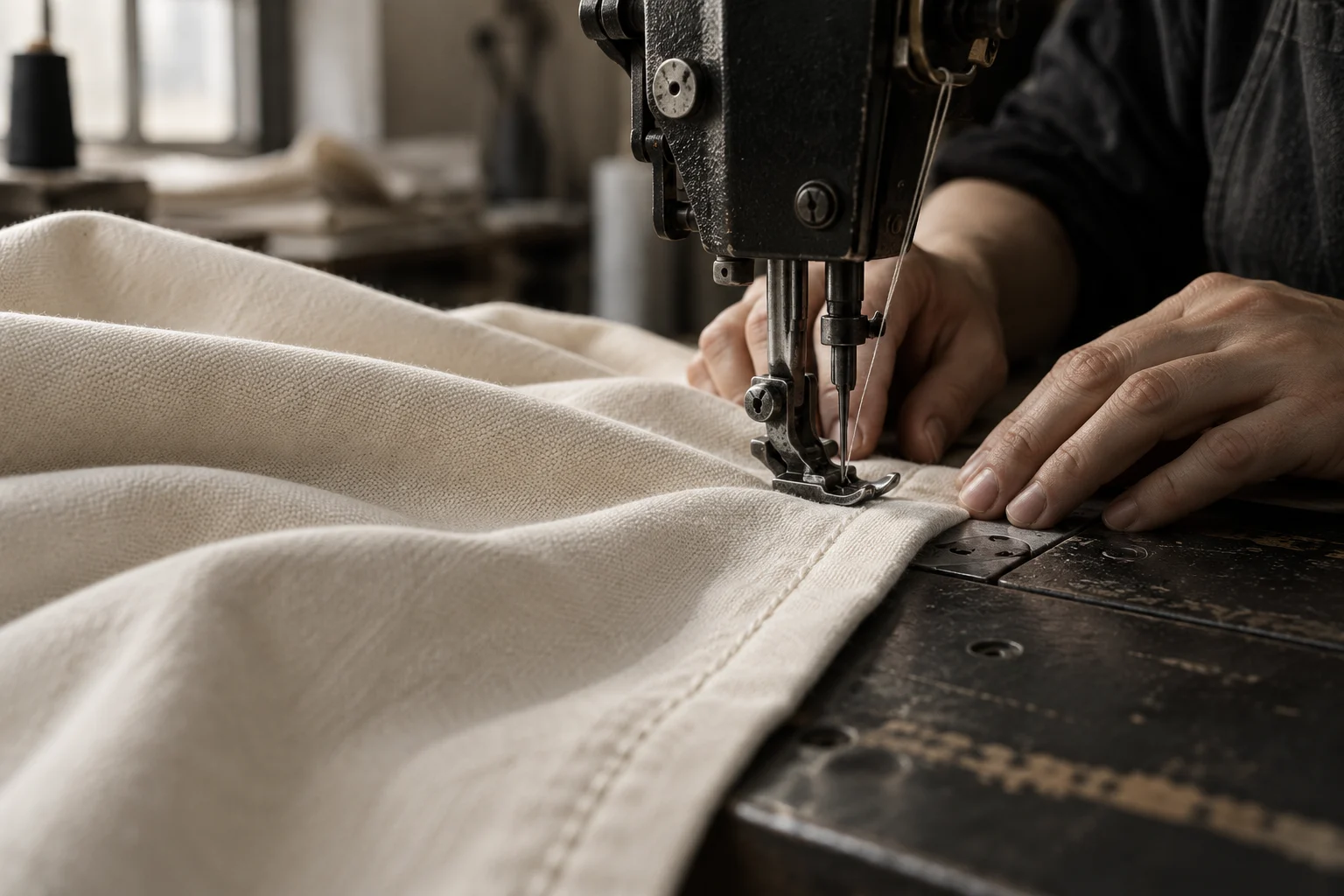
One controlled specification, from quote to dispatch
Define what must be approved before the next stage. Use a dated revision and record which material lot, pattern and sample went into production. The sequence may change with the approved print, dye or wash route.
Ten stages and what releases each one
| Stage | Work and control | Evidence before moving on |
|---|---|---|
| 01 · Quote and technical review | Check model, size/colour quantities, material, decoration, packaging and destination; confirm garment and fabric minimums separately. | Written scope, exclusions, order quantities and latest file revision. |
| 02 · Material purchase and lot intake | Match rolls and trims to references. Log shade lots, usable width, weight and visual defects; quarantine discrepancies. | Approved colour/material reference and roll or trim lot records. |
| 03 · Pattern, grading and size review | Create base pattern and grade to size chart. Check measurement landmarks, fit, seam allowances and any planned care change. | Approved pattern revision and dimensional targets with tolerances. |
| 04 · PP sample and process trial | Use approved materials where available. Trial decoration and wash order; measure, launder and evaluate against agreed targets. | Signed approval or documented corrections; no bulk release on an unresolved revision. |
| 05 · Marker, relaxation and spreading | Plan by usable width, direction, repeat, shade and size ratio. Define relaxation and spreading suitable for the material. | Marker revision, lay plan, shrinkage assumptions and cutting authorisation. |
| 06 · Cutting, numbering and bundling | Check panel shape, notches and pair matching; preserve size and lot identification as bundles move to sewing. | Cut quantity and bundle traceability; segregate rejected or mismatched panels. |
| 07 · Sewing line setup and in-line control | Approve first pieces, machine settings and seam appearance. Check the points most likely to drift during the run. | First-piece check, in-line observations and documented corrections. |
| 08 · Decoration and wet processing | Follow the approved order of operations. Separate batches, compare with signed artwork and colour references, and remeasure after finishing. | Approved strike-off or wash range, process lot reference and after-care results. |
| 09 · Finishing and final inspection | Check measurements, workmanship, appearance, function and assortment. Record defects, rework and reinspection; apply the agreed inspection plan. | Final inspection record and release decision, with unresolved goods held. |
| 10 · Packing, export and handover | Reconcile units by style, colour and size. Check labels, carton markings, packing list and carrier handover. | Released carton list, dispatch reference and handover record. |
What happens when a check fails?
For example, if a washed tee measures below its agreed length, hold the affected batch. Confirm the measurement method, compare fabric and wash lots, identify the affected quantities, and agree corrective action. Remeasure the trial before releasing bulk. If the material or process changes, update the revision and repeat the affected checks.
For a printed garment, approve placement on the garment size intended for the trial. If artwork is resized for different sizes, record each placement rule. Verify the finished and packed product against the approved artwork and garment after care.
Next steps and technical references
Make the next buying decision
Questions, answered
When should cutting begin?
Release bulk cutting after material lots, technical revision, marker and required sample and process checks are approved.